


Beyond the Roaming Fee: The New Standard for Global Connectivity
Stay Connected Anywhere With True Unlimited eSIM Data Plans
What if you could leave the airport and instantly have all the data you need, without hunting for a local SIM card? An eSIM unlimited data plan is a digital profile embedded in your phone that gives you unrestricted internet access, letting you stream, navigate, and post as much as you want. You simply purchase and activate it online, bypassing physical cards and freeing yourself from the worry of running out of gigabytes. This makes it the simplest way to stay connected globally on your own terms.
Beyond the Roaming Fee: The New Standard for Global Connectivity
The new standard for global connectivity, “Beyond the Roaming Fee,” means your eSIM unlimited data plan never pauses for a border check. I land in Bangkok, and my phone instantly connects to the local network at high speed—no SIM swap, no payment pop-up. This standard eliminates the anxiety of searching for airport Wi-Fi or rationing gigabytes; I stream a map and video call without thought. It transforms travel from a series of logistical hacks into a seamless digital experience. The promise is that this unlimited data isn’t a fragile add-on but a core utility, as reliable as the air in my lungs, working because the technology behind the roaming fee’s removal prioritizes constant, uncapped access over profit per megabyte.
Why Traditional SIM Cards Fall Short for Frequent Travelers
For frequent travelers, traditional SIM cards quickly become a hassle. You’re constantly swapping tiny chips, hunting for local shops at airports, or paying exorbitant daily roaming rates. Each new country means a new SIM, a new number, and minutes wasted configuring settings. You might even lose your primary number entirely when switching, missing critical calls or two-factor authentication codes. This physical juggling act makes staying seamlessly connected feel like a chore. Traditional SIM cards fail because they force you to adapt to each destination, rather than the network adapting to you.
Traditional SIM cards fall short because they demand constant physical swaps, separate numbers, and high one-off costs, breaking the effortless connectivity frequent travelers need.
Comparing Prepaid SIMs to Digital-Only Profiles

When considering China eSIM global connectivity, a prepaid SIM requires physical insertion, network selection, and often a top-up schedule, which can fail to activate upon arrival. A digital-only profile, in contrast, is an eSIM that installs instantly via a QR code or app before departure. For comparing prepaid SIMs to digital-only profiles, the digital option offers immediate activation with an unlimited data plan, removing the need to swap cards or maintain a store-bought balance. Unlike a prepaid SIM, which ties connectivity to a single physical card, a digital profile allows seamless switching between carriers and plans on a single device without hardware limitations.
| Aspect | Prepaid SIM | Digital-Only Profile (eSIM) |
|---|---|---|
| Activation | Requires physical card insertion | Instant digital install |
| Flexibility | One carrier per card | Multiple profiles, switch easily |
| Unlimited Data | Often capped at regional limits | Global data plans, no cap |
Decoding the Fine Print: What Unlimited Actually Means in 2024
When decoding the fine print for eSIM unlimited data plans in 2024, you must ignore the marketing label and scrutinize the “fair usage” cap. The most common trap is a deprioritization threshold, typically between 30GB and 100GB per month. After hitting this invisible limit, your speeds are throttled to 128kbps or less, rendering video streaming and heavy browsing unusable. Another critical detail is the “unlimited” cap on high-speed data; many providers impose a daily or weekly “high-speed” quota before dropping to 2G speeds. You should specifically verify post-throttle speeds and the exact data cap for high-speed usage, as these terms, not the word “unlimited,” define your actual experience.
Throttling Thresholds vs. Truly Unlimited Plans
When you shop for an eSIM, “unlimited” usually masks a throttling threshold. Most plans slow your speed drastically after a set data cap—often around 50GB—making video streaming or large downloads painfully slow. A truly unlimited plan, by contrast, never imposes this hard slowdown; you get the same speed for the entire billing cycle, though fair-use policies may still apply in extreme cases. For heavy users who tether or watch high-res video, paying more for a plan without a throttling threshold is worth it, while casual users can safely pick the cheaper, capped “unlimited” option.
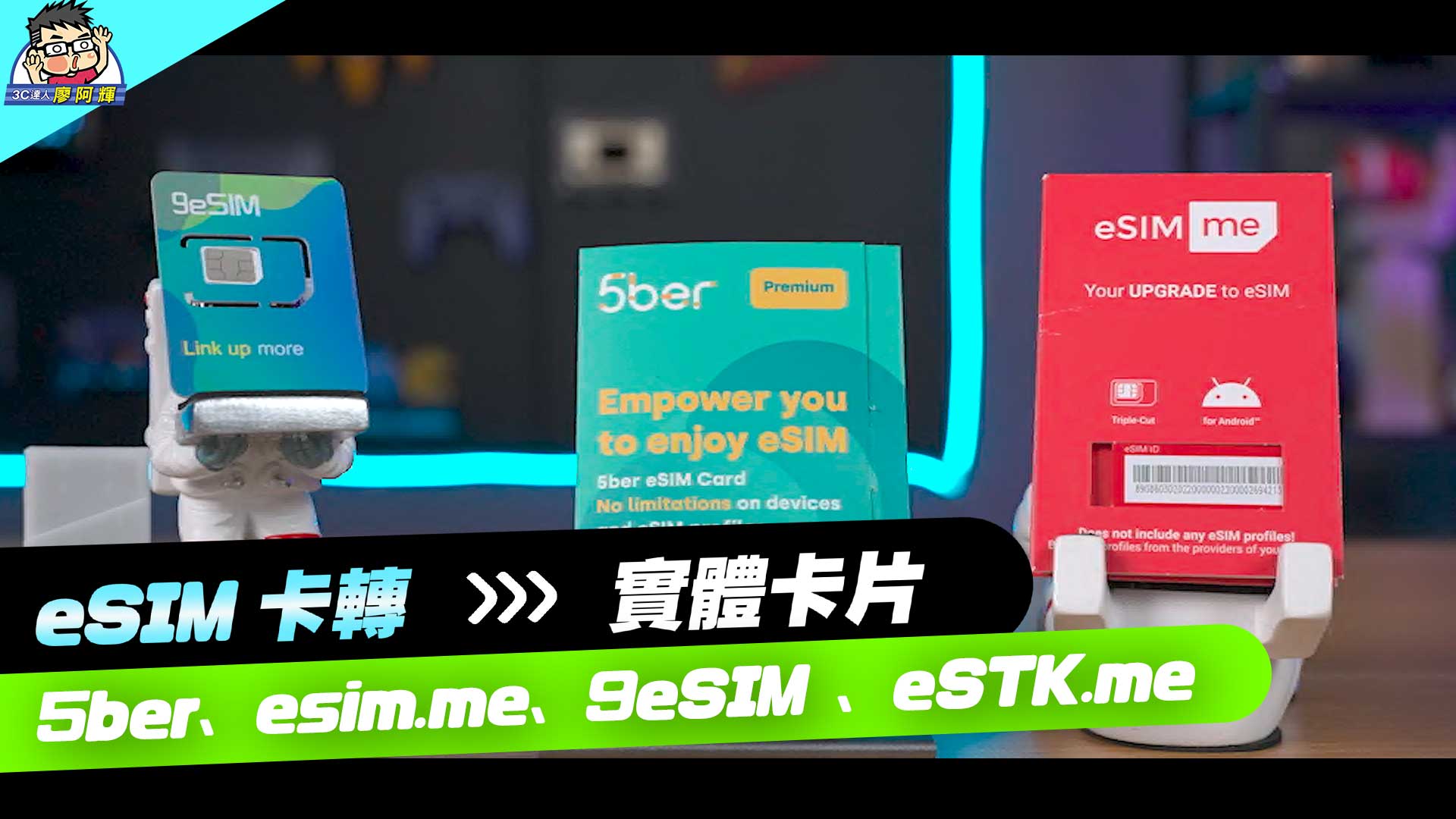
- Throttling thresholds are advertised speeds that drop after a specific data limit, often 20–100GB.
- Truly unlimited plans keep speeds consistent without a preset slowdown point.
- Most eSIM carriers use throttled “unlimited” to manage network load, not to benefit heavy data users.
- Check the plan’s fine print for the exact GB before throttling to avoid surprises.
Day Passes vs. Monthly Subscriptions for Heavy Users
For heavy users, choosing between a day pass vs. monthly subscription hinges on usage consistency. A day pass, often cheaper per day for short bursts of high consumption, becomes financially inefficient if you stream or download daily across a week. Conversely, a monthly subscription, while higher upfront, typically offers a fixed high-speed cap (e.g., 30GB) that resets monthly, preventing daily throttle headaches. However, many monthly plans impose a “fair use” cap that, once hit, reduces speed to 128 kbps; day passes may offer identical throttled speeds after a smaller daily limit (e.g., 1GB). The critical trade-off is daily reset risk versus monthly cumulative limit.
| Comparison Aspect | Day Pass | Monthly Subscription |
|---|---|---|
| Cost for 10 Days Straight | High (e.g., $10 x 10 = $100) | Fixed (e.g., $30–$60) |
| Speed Throttle Trigger | Per day (e.g., after 1GB used) | Per cycle (e.g., after 30GB used) |
| Best For Heavy Users | Only 1–3 days of intense use | Sustained daily usage over a week+ |
Navigating the Global vs. Regional Plan Landscape
When navigating the global vs. regional plan landscape for eSIM unlimited data, your route dictates the choice. A global plan offers unrestricted movement across continents, ideal for multi-country itineraries, but often throttles speeds after a fair-use cap. Conversely, a regional plan, like a Europe-only pass, typically provides genuinely unlimited high-speed data within a defined zone, as carriers pool local infrastructure without the overhead of global roaming partnerships. For a user anchored to one continent, a regional plan unlocks consistent, uncapped throughput. Always verify that “unlimited” means unthrottled in your target area; a global option may cap you at 2G speeds after 5GB, while a regional plan might deliver 4G LTE without limits.
Single-Country Plans for Deep Local Coverage
A single-country eSIM plan trades global versatility for deep local coverage, giving you unrestricted access to a single nation’s full LTE/5G tower density. Instead of roaming on a patchwork of partner networks, you connect directly as a local subscriber—perfect for a working vacation or long-term stay. Unlimited data here means zero throttling from foreign peering agreements, so streaming or video calls remain stable in rural areas. Choosing this plan avoids regional blackout zones and ensures your connection matches the provider’s native footprint.
Single-country plans deliver the strongest, most reliable unlimited data within one specific nation.
Multi-Region Bundles for Multi-Country Itineraries
For multi-country itineraries, multi-region eSIM bundles merge several pre-defined regional zones—such as Europe, Asia-Pacific, and the Americas—into a single data plan, eliminating the need to purchase separate passes for each country. These bundles often cap usage at a total high-speed data amount shared across regions, so you must track consumption carefully to avoid throttling. A key practical caveat is zone overlap: a “Europe” bundle in a “Global + Europe” plan may not cover countries already in the global tier. Q: What happens if I exceed the bundle’s data limit in one country but not others?
A: Once the shared pool is exhausted, data is typically throttled to 2G speed across all regions in the bundle, regardless of remaining per-country allowance.
Instant Activation and Network Hopping Without Physical Hardware
With eSIM unlimited data, instant activation eliminates the wait for a physical SIM card. You purchase a plan, scan a QR code, and are online within seconds—no mail or store visit required. The true power lies in network hopping without physical hardware: if connectivity dips, you simply open your device settings, download a new eSIM profile from another provider, and switch networks immediately. No need to eject a tray or swap cards. This lets you perpetually chase the strongest signal for your unlimited data, bouncing between carriers in real-time as your environment or needs change, all from the same device without ever touching plastic. The flexibility is unmatched for frequent travelers or those in poor coverage zones.
Switching Carriers Mid-Trip to Avoid Dead Zones
Switching carriers mid-trip to avoid dead zones becomes seamless with an eSIM unlimited data plan. Instead of being stranded with a single provider’s patchy coverage, you can instantaneously hop to a competing network through your device settings as soon as signal drops. This real-time carrier switching leverages software profiles pre-loaded on your phone, eliminating the need to visit a store or swap a physical SIM. Prioritize dynamic network hopping to maintain a consistent connection across rural stretches or urban gaps. Simply disable your current eSIM line and activate a backup profile from a different carrier, ensuring uninterrupted unlimited data usage regardless of location.
How QR Code Activation Streamlines Arrival at Airports
Upon landing, travelers scan a QR code from their pre-purchased eSIM confirmed email, instantly activating unlimited data without queuing at a physical store. This eliminates the delay of swapping SIMs or hunting for local top-ups in an unfamiliar terminal. The QR code triggers direct network profile download, so connectivity is available by the time passengers reach baggage claim. QR activation eliminates post-flight latency by decoupling purchase from provisioning, allowing seamless use of maps or ride-hailing apps immediately. A passenger simply scans, clicks confirm, and is online—no kiosk interaction or paperwork required.
Evaluating Speed Tiers: 4G vs. 5G for Streaming and Work
When evaluating speed tiers for streaming and work with an eSIM unlimited data plan, 5G isn’t always necessary, but its low latency transforms video calls and cloud editing. For casual streaming at 1080p or background music, a stable 4G connection on an unlimited eSIM handles it flawlessly without hitting caps. However, if you’re uploading large project files or participating in real-time collaborative work, 5G’s snappier response reduces buffering and lag.
Your eSIM unlimited data’s value hinges on matching the tier to your task: 4G is sufficient for most single-device streaming, while 5G excels for simultaneous heavy workloads.
Always check if your eSIM provider throttles 5G speeds after a data threshold, as this directly impacts workflow efficiency.
Latency Sensitive Activities Like Video Calls and Gaming
For latency-sensitive activities like video calls and gaming, the performance gap between 4G and 5G is critical. 5G’s sub-10 millisecond latency eliminates the perceptible lag that causes video call breakups and gaming input delay. With an eSIM unlimited data plan, this ensures real-time responsiveness: your commands register instantly in competitive games, and video calls feel face-to-face rather than robotic. 4G’s higher jitter often introduces audio desync or screen freeze during peak usage. Minimizing packet loss for real-time gaming is only feasible on 5G networks, as 4G’s variable latency fails to sustain the consistent low ping required for seamless interaction.
Q: Does 5G latency actually improve video call quality over 4G?
A: Yes. 5G reduces round-trip delay, so voice and video packets arrive in sync, preventing the “talking over each other” effect common on 4G.
When to Accept Slower Speeds for Lower Prices
Accept slower speeds for lower prices when your primary tasks tolerate latency. If you’re streaming music or podcasts, checking emails, or browsing social media, a budget 4G eSIM delivers perfectly adequate performance. Reserve premium 5G eSIM plans for real-time work like video conferencing or large file uploads. The sweet spot is matching your data demand to the right speed tier: save money on 4G for casual scrolling, then upgrade only when your workflow demands instant responsiveness.
Choose slower, cheaper 4G eSIMs when you stream audio or browse; save 5G for live video calls and heavy uploads.
Key Providers Offering Truly Unlimited Data Passes
For travelers seeking an esim unlimited data plan, a few key providers stand out for offering truly unlimited passes without throttling. Airalo’s “Global Unlimited” eSIM provides genuine unlimited high-speed data in over 100 countries, though it often enforces a fair-use cap after a certain daily threshold. Holafly specializes in regional and global passes that offer truly unlimited data, with no speed reductions for typical usage, but tethered connections may be restricted. Some local providers like Ubigi and Telenor also deliver unlimited passes in specific regions (e.g., Japan or Scandinavia), with no data caps or deprioritization. Always confirm that the pass explicitly states “unlimited” with no hidden clause, as many marketed as unlimited actually throttle after heavy use.
Airalo’s Global Plans: Strengths and Limitations
Airalo’s Global Plans offer broad regional coverage, but their strengths and limitations are sharply defined against truly unlimited data needs. The key strength is the convenience of a single eSIM covering dozens of countries, removing local SIM hassle. However, the critical limitation is that these plans are typically high-speed data *pools* with a fixed cap—often 1GB to 20GB—after which speeds are throttled to unusable 128kbps or cut off entirely. For users requiring sustained heavy usage (streaming, tethering), this is not unlimited. The plan works best for light, intermittent browsing across multiple nations, not as a primary, unlimited hotspot.

| Aspect | Strengths | Limitations |
|---|---|---|
| Coverage | Massive multi-country regions (e.g., Global, Asia) | Not truly unlimited; strict data caps per plan |
| Speed After Cap | Optional top-up available | Severe throttling or blocked data; no true unlimited tier |
| Use Case Fit | Short trips with light usage across borders | Fails for heavy streaming, tethering, or long-term data reliance |
Holafly’s Unlimited Offerings for Mobile-Heavy Users
Holafly targets mobile-heavy users with a genuinely unlimited data eSIM that never throttles or caps speed, eliminating the fear of costly overages during intensive travel. Holafly’s unlimited data eSIM prioritizes seamless connectivity for video calls, navigation, and streaming without daily limits. Unlike many competitors, Holafly’s plan does not include a personal hotspot feature, requiring users to rely solely on their device screen.
- Dedicated high-speed unlimited data for video streaming and large file uploads.
- No daily or weekly data caps, allowing unrestricted social media and map usage.
- Simple activation with no contract or hidden throttling policies.
- Coverage across 160+ destinations for consistent connectivity.
Ubigi and Regional Specialists for Europe or Asia
For trips focused on one region, Ubigi and Regional Specialists for Europe or Asia are your best bet for true unlimited data. Ubigi offers a straightforward “Unlimited Data” pass that works across most European countries without throttling, perfect for constant maps and streaming. For Asia, specialists like Airalo’s regional “Discover” eSIM or Nomad’s “Global” cover multiple countries with daily unlimited caps. To pick the right one:
- Check the specific countries in your itinerary against the eSIM’s coverage map.
- Compare the “fair use” data cap—Ubigi’s European pass typically allows high-speed usage before minor slowdowns.
- Enable automatic network selection to avoid roaming fees across borders.
Using Unlimited Data as a Primary Home Internet Alternative
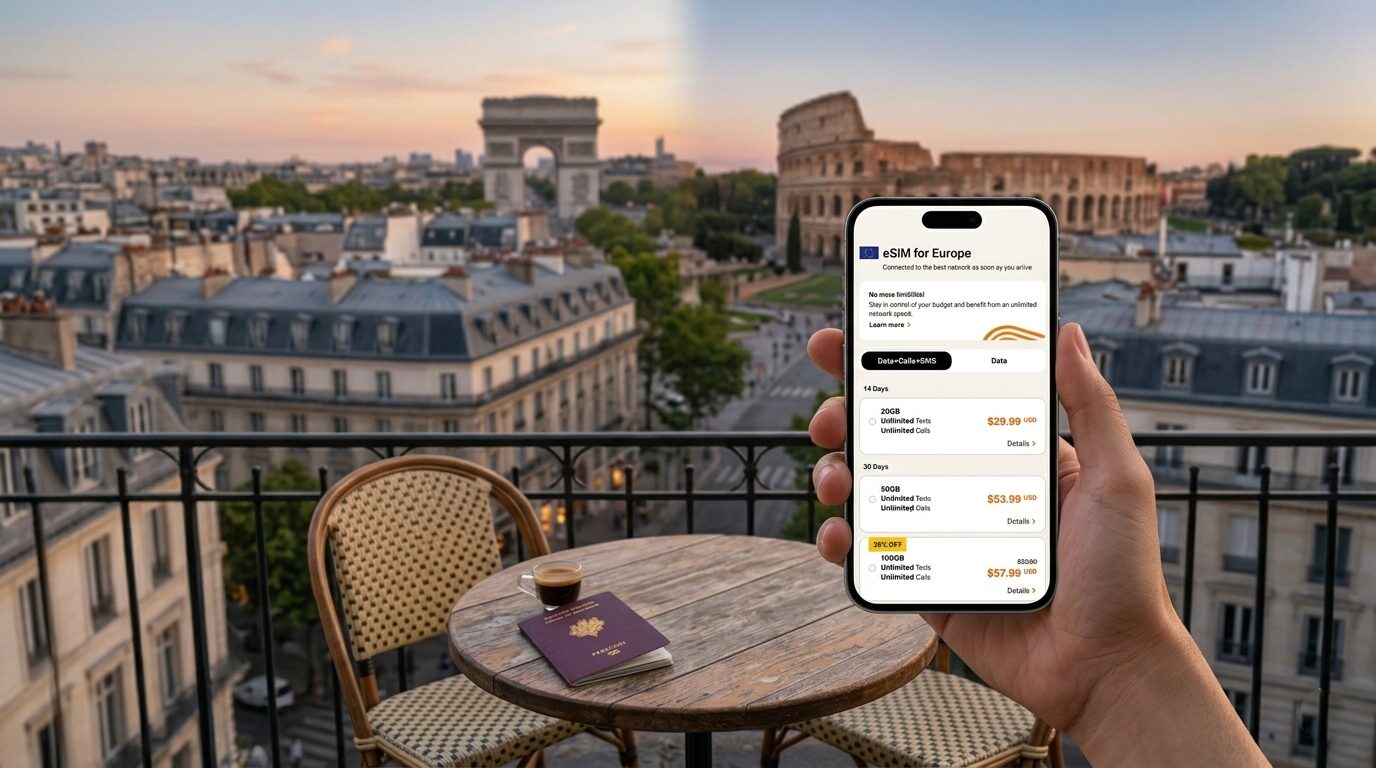
Using an eSIM with unlimited data as your primary home internet alternative offers a direct, hardware-free solution for broadband. You simply activate a global eSIM unlimited data plan on a compatible smartphone or hotspot device, bypassing physical SIM cards and long-term contracts. The key advantage is instant connectivity; you can start streaming and browsing immediately. Your device directly utilizes the mobile network’s capacity, meaning your internet speed and reliability are entirely dependent on local cellular coverage rather than a wired infrastructure. This approach effectively replaces a traditional cable or fiber line with a mobile broadband setup, providing a portable, tether-free connection that follows you. For stable home use, ensure your device supports carrier aggregation and Wi-Fi sharing to distribute that unlimited data to all your smart home gadgets.
Digital Nomads and the Shift to SIM-Only Lifestyles
For digital nomads, the shift to SIM-only lifestyles is a practical liberation from bulky home routers and fixed contracts. Relying solely on eSIM unlimited data transforms any café, co-working space, or beachside spot into an instant home office, eliminating the logistical drag of setting up local internet after each border crossing. This approach demands deliberate data management, like scheduling large downloads during off-peak hours to conserve speed for crucial video calls. The core advantage is pure flexibility: your internet address becomes your pocket, not your apartment.
- Use a single eSIM plan across multiple countries to avoid juggling physical SIMs upon entry.
- Prioritize providers with tethering support to turn your phone into a reliable laptop hotspot.
- Swap between regional eSIM profiles to grab the strongest local network without contract lock-ins.
Hotspot Tethering Rules and Fair Usage Policies

When using an eSIM unlimited data plan as your primary home internet alternative, you must scrutinize the hotspot tethering rules and fair usage policies before committing. Providers often cap hotspot speeds to 3G or 5 Mbps after a set data volume, such as 50 GB, rendering 4K streaming or large downloads impossible. Additionally, fair usage policies may deprioritize your connection during peak hours, causing severe lag for video calls or cloud backups. Exceeding tethering limits typically results in a hard throttle for the remainder of the billing cycle, not a temporary slowdown. Always verify if the plan offers dedicated high-speed hotspot data to avoid unexpected bottlenecks that degrade your entire home network.
Hotspot tethering rules cap your speed after a data threshold, while fair usage policies deprioritize traffic during congestion, both critically affecting your ability to reliably replace a fixed home connection.
Common Pitfalls with Unlimited Data Abroad
A major pitfall with eSIM unlimited data abroad is that “unlimited” almost always includes a strict fair usage policy, throttling your speed to unusable 2G or 128 kbps after a few gigabytes of high-speed data. Streaming video or large file uploads will trigger this throttle quickly, rendering your connection nearly useless for navigation or messaging. Furthermore, many plans impose a daily or weekly high-speed cap hidden in the fine print.
Always check the specific quota for “high-speed” data before purchasing; an unlimited label does not guarantee consistent performance outside your home network.
Tethering is frequently restricted or heavily deprioritized, so multi-device workflows may fail. Finally, network locking—despite eSIM being a software-based profile—can still occur if the plan ties you to a single carrier with poor local roaming partners, leaving you with unintended dead zones.
Hidden Fair Usage Caps on “Unlimited” Regional Plans
Many “unlimited” regional eSIM plans quietly enforce a hidden fair usage cap, typically throttling speeds to unusable 2G or 128 kbps after crossing a specified data threshold—often as low as 1 GB per day or 10 GB per billing cycle. This cap is rarely advertised in the plan’s headline features but appears deep in the fine print. Once triggered, streaming or navigation becomes impractical, effectively breaking the promise of seamless connectivity across multiple countries. Always scrutinize the provider’s acceptable use policy to identify the exact limit and throttle level before purchase.
Device Compatibility Issues with Certain Network Bands
Even with an eSIM promising unlimited data abroad, your device might struggle if it lacks support for local frequency bands. A phone bought in one region often omits key bands used by carriers abroad, leading to weak signals or no service in rural areas. Before you travel, check your device specs against the destination’s primary 4G and 5G bands. Why does my phone work fine in the city but lose unlimited data outside? Most likely, you’re hitting a band gap—your device doesn’t cover the lower-frequency towers used for extended range, killing connectivity despite an active data plan.
Future Trends: Unlimited IoT, Wearables, and Car Connectivity
The future of unlimited IoT, wearables, and car connectivity depends on eSIM unlimited data to eliminate paired-device tethering. Smart glasses, health patches, and vehicle infotainment systems will each maintain a persistent, independent network link through a single eSIM profile, allowing them to stream maps, music, or biometrics without draining a phone battery.
This architecture shifts each wearable or car system into a standalone node, always-on and location-aware, because unlimited data removes the fear of overage costs for constant sensor uploads or real-time navigation updates.
As hardware shrinks, embedded eSIM chips will manage multiple device connections from a central data pool, ensuring a smartwatch, dashcam, and car hotspot share the same unlimited plan without manual SIM swaps.
Embedded Profiles in Smartphones and Tablets
Embedded profiles in smartphones and tablets allow users to store multiple carrier identities directly on the device’s eSIM chip. This eliminates the need for physical SIM cards when managing an unlimited data eSIM plan. Users can switch between a local profile for everyday use and a travel-specific unlimited data profile without swapping hardware. The device’s interface enables instant activation or deactivation of these embedded profiles, ensuring seamless connectivity across different regions. For tablets, this means accessing the same unlimited data allowance as a paired smartphone, simplifying data management across personal devices through a single eSIM profile.
What 6G and Satellite Integration Mean for Data Freedom
6G and satellite integration decouple data freedom from terrestrial infrastructure, enabling eSIM unlimited data to function seamlessly in aircraft, oceanic crossings, and remote wilderness. This convergence eliminates coverage dead zones by routing traffic through low-Earth orbit satellites as standard protocol, not a fallback. Your wearable streams high-definition diagnostics or your car navigates via persistent cloud updates without local tower dependency. The practical result is a truly global unlimited data fabric, where connectivity is a device-native attribute rather than a location-dependent service, removing the practical limits on where and how intensively you use data.
6G and satellite integration mean data freedom is defined by the device’s capability, not the nearest tower’s range.


