


The Rise and Repercussions of British Horse Racing’s Inactivity
The Rise and Repercussions of British Horse Racing’s Inactivity
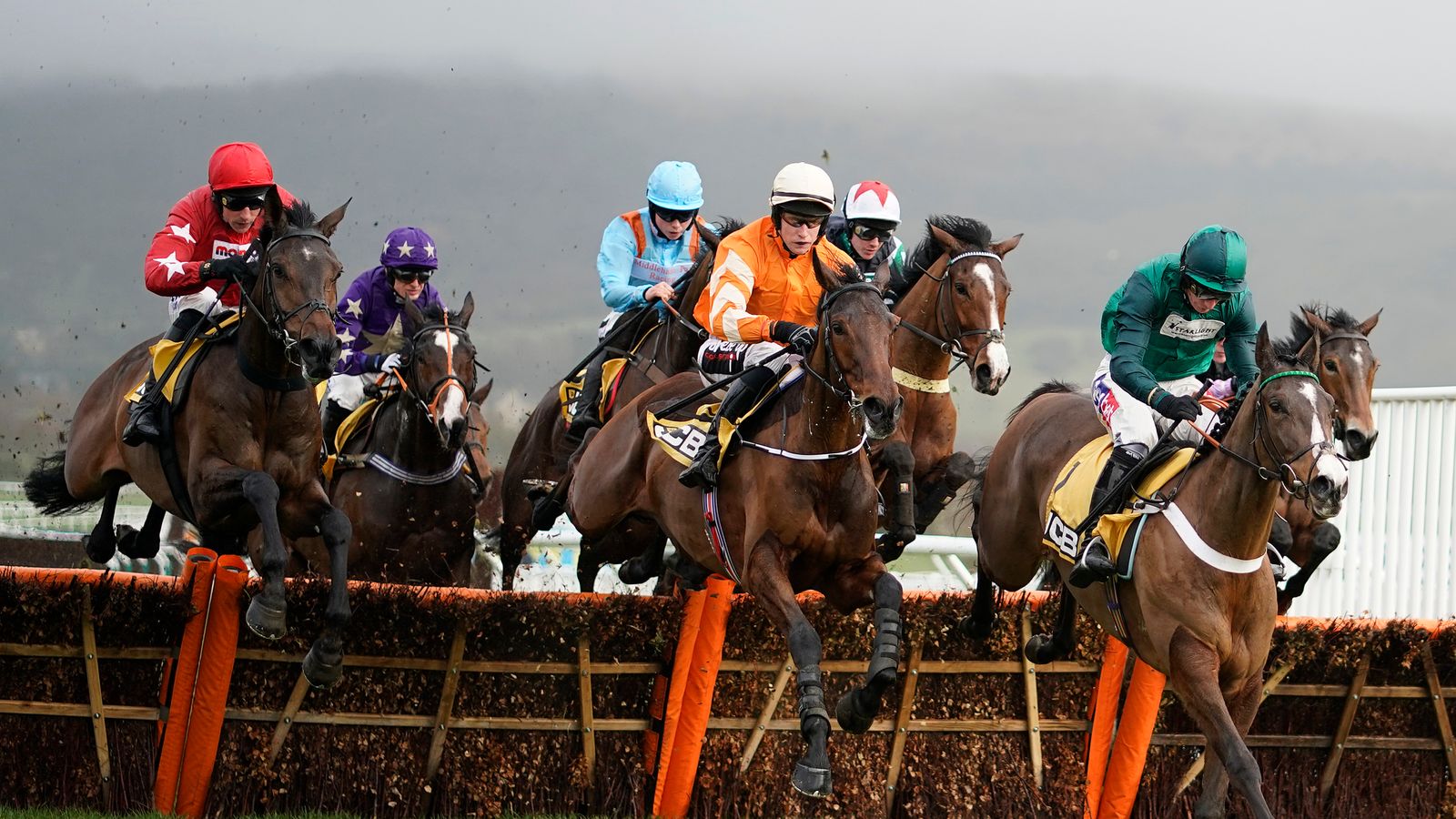
The world of British horse racing has long been a source of excitement and connection for millions. However, recent events have led to a significant pause in this time-honored tradition. From the glitz of Ascot to the dirt tracks of smaller venues, racing has come to a standstill, leaving enthusiasts yearning for a return to normalcy. In exploring this phenomenon, it is vital to consider the impact of racing’s inactivity on the economy, the culture surrounding the sport, and, most importantly, the horses and professionals who are an integral part of this beloved scene. For further insights on mounted police operations amidst these changes, check out British horse racing not on GamStop https://merseysidepolicemounted.uk/.
A Brief History of British Horse Racing
British horse racing boasts a rich history that dates back centuries. Its origins can be traced back to the Roman era, where chariot racing provided entertainment for the masses. Over time, racing evolved, with established tracks like Newmarket, which has been the epicenter of racing since the 17th century. The sport saw the establishment of formal racing rules, the introduction of thoroughbred breeding, and the creation of iconic races such as the Epsom Derby and the Grand National. These events not only fostered competitive spirit but also became a staple of British culture.
The Economic Impact of Racing Shutdowns
The cessation of horse racing has reverberated through the economy. The sport contributes significantly to the nation’s finances—generating revenue through betting, tourism, and associated services. Bookmakers and betting shops, traditionally bustling during race days, have found themselves grappling with debilitating financial setbacks. The hospitality sector, heavily reliant on race days for income, has similarly suffered. From local pubs to high-end restaurants, many businesses have faced closures or drastic reductions in revenue.
The Cultural Resonance of Horse Racing
Horse racing is not merely an economic activity; it is woven into the cultural fabric of British society. From the famous “Ladies’ Day” at Ascot to the festive atmosphere at regional meets, racing events serve as social gatherings that foster connections between communities. The vibrant fashion, the thrill of the race, and the traditional practices of betting create a unique environment that resonates with people from all walks of life. The inactivity has not only deprived them of entertainment but has also been detrimental to the communal spirit that racing nurtures.
Impact on Jockeys and Trainers
Behind the glitz and glamour of horse racing are the unwavering professionals who dedicate their lives to the sport. Jockeys, trainers, and stable hands face uncertain futures as the suspension of racing has left many without an income. These individuals often rely on racing for their livelihood, and in times of inactivity, financial instability looms large. The emotional burden can be just as heavy; the love for their craft is matched only by the stress of waiting for a return to the racetracks they consider home.
The Future of Horse Racing
As the world gradually recovers from various external disruptions, the future of British horse racing remains a topic of heated discussion. Measures are being explored to revitalize the sport, including innovations in safety protocols, enhanced fan experiences, and potential changes to betting practices. Stakeholders are considering how to harness technology—like live streaming and virtual betting—while maintaining the charm that has attracted fans for generations. Ultimately, the appeal of horse racing lies in its unpredictability, and the future might just hold new avenues for this beloved sport to thrive.
Community and Support Initiatives
During this challenging period, various community initiatives have emerged to support those affected by the shutdown. Fundraising efforts, charity events, and online campaigns have been launched to assist jockeys, trainers, and stable workers. Moreover, equestrian organizations are finding ways to engage the public through virtual tours of training yards and educational content aimed at fostering appreciation for these majestic animals. These initiatives highlight the resilience of the communities that make up the British horse racing landscape.
Conclusion
The suspension of British horse racing has created a ripple effect that extends beyond mere entertainment. The economic ramifications are substantial, but so too are the cultural impacts on communities and individuals who live for the thrill of the sport. As we look toward the future, the hope remains that horse racing will not only return but also evolve, adapting to contemporary challenges while honoring its storied traditions. The dedication of all those involved—from trainers to spectators—will undoubtedly fuel a revival that could see British horse racing thrive like never before.


