


Understanding the psychological triggers behind gambling behavior
Understanding the psychological triggers behind gambling behavior
The allure of risk and reward
At the core of gambling behavior lies the psychological pull of risk and reward. Individuals are often attracted to the thrill of taking risks, which can lead to significant payouts. This excitement activates the brain’s reward system, releasing dopamine, a neurotransmitter associated with pleasure. The anticipation of winning can create an exhilarating experience, leading gamblers to chase the highs associated with their bets. For instance, many find engaging platforms like Tooniebet particularly appealing because of the various betting options available.
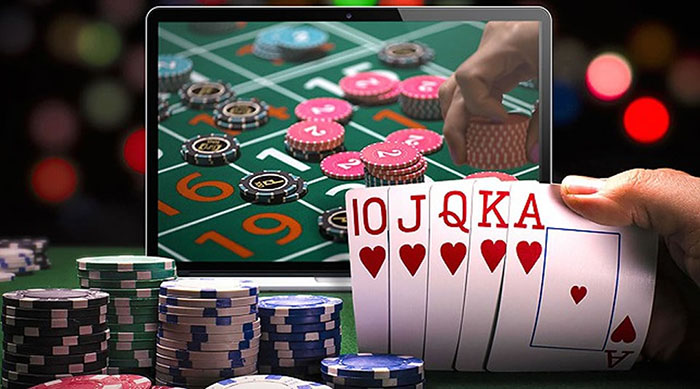
Moreover, the concept of variable rewards amplifies this allure. Unlike predictable outcomes in daily life, gambling introduces an element of unpredictability, making the potential rewards even more enticing. Each game becomes a gamble of not just money, but also emotions, with many players feeling a rush akin to an adrenaline spike when they place a bet. This dynamic keeps them engaged, often leading to repeated gambling behavior as they seek to replicate the initial high.
Understanding these dynamics is crucial in comprehending gambling behavior. The blend of anticipation and excitement not only captivates individuals but can also lead to problematic gambling if left unchecked. Over time, the initial thrill can shift into a cycle of chasing losses, further entrenching individuals in a risky gambling pattern. Recognizing these psychological triggers can help in addressing and managing gambling behavior effectively.
The influence of cognitive biases
Cognitive biases play a significant role in gambling behavior, often distorting an individual’s perception of risks and outcomes. One common bias is the illusion of control, where gamblers believe they can influence outcomes, especially in games of chance like slots or roulette. This belief can lead to overconfidence, encouraging individuals to place larger bets than they might otherwise consider. It reinforces the idea that luck can be manipulated, ultimately leading to further gambling.
Another prevalent cognitive bias is the gambler’s fallacy, which stems from the misconception that past events influence future outcomes in random scenarios. For instance, a player may assume that a certain number on a roulette wheel is “due” to come up after several spins without appearing. This fallacy can perpetuate gambling behavior, as individuals continue to bet based on faulty reasoning, believing they can predict outcomes based on previous results.
These cognitive distortions not only impact decision-making during gambling but can also contribute to compulsive behavior. By understanding these biases, individuals can become more aware of their thought processes and make more informed decisions. Addressing these biases is essential for fostering healthier gambling habits and reducing the risk of developing gambling-related issues.
The role of social influence
Social influence significantly impacts gambling behavior, shaping individuals’ attitudes and actions. Social environments can either encourage or discourage gambling, depending on cultural norms and peer behaviors. For instance, in communities where gambling is normalized or celebrated, individuals may feel more inclined to participate in these activities, reinforcing their gambling habits. Friends and family who gamble may also influence one another, creating a social fabric where gambling becomes a shared experience.
Furthermore, the rise of online gambling platforms has changed the social landscape of betting. Social media and forums allow gamblers to share experiences, strategies, and outcomes, making gambling feel more communal. This connectivity can lead to increased gambling, as individuals may feel pressured to keep up with their peers or to participate in online betting activities that seem popular within their social circles.
Recognizing the power of social influence is essential for understanding gambling behavior. While social connections can provide a sense of belonging, they can also perpetuate harmful gambling habits if unchecked. Building awareness around these influences can help individuals make more conscious choices about their gambling activities and promote responsible gaming practices.
The impact of emotions and stress
Emotions play a vital role in gambling behavior, often driving individuals to gamble in response to their emotional states. For many, gambling serves as an escape from stress, anxiety, or depression. The temporary relief that gambling can provide makes it an appealing coping mechanism, even though it may lead to negative consequences in the long run. Understanding this emotional connection is critical for addressing problem gambling behavior.
Moreover, the relationship between emotions and gambling can create a cycle of dependence. As individuals gamble to cope with negative emotions, they may experience losses, which can further exacerbate feelings of distress. This emotional turmoil can lead to increased gambling in an attempt to recover losses, perpetuating a cycle of risk and emotional instability. Recognizing these patterns is essential for fostering healthier coping strategies beyond gambling.
Supporting individuals in understanding their emotional triggers can aid in developing better decision-making skills regarding gambling. By offering alternative strategies for managing stress and emotions, it is possible to reduce reliance on gambling as a form of escape, promoting a more balanced and responsible approach to gaming activities.

ToonieBet: Fostering responsible gaming
ToonieBet Canada is dedicated to providing a safe and engaging online betting environment that emphasizes responsible gaming. With features such as a 100% welcome bonus of up to $1,800 and tools designed to promote healthy gambling habits, ToonieBet aims to support players in making informed decisions. By fostering a culture of responsible gaming, the platform encourages users to enjoy betting without succumbing to the risks associated with gambling behavior.
With an emphasis on security and fairness, ToonieBet provides a plethora of resources for individuals looking to manage their gambling habits. Features like transaction tracking and self-exclusion options empower players to take control of their gaming experience. This commitment to responsible gaming is integral to ToonieBet’s philosophy, ensuring that players can engage in betting responsibly and without undue stress.
By understanding the psychological triggers behind gambling behavior and fostering a supportive environment, ToonieBet stands as a leader in promoting healthy gaming practices. Players are encouraged to enjoy their betting experience while remaining mindful of their emotional and psychological well-being, paving the way for a sustainable relationship with gambling.


